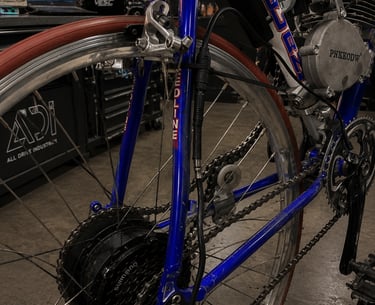
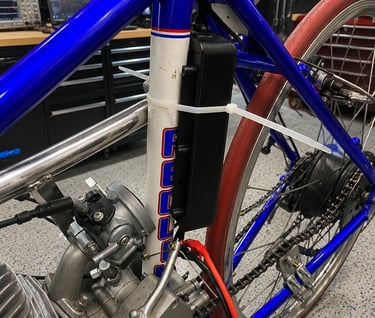
Human. Electric. Combustion.
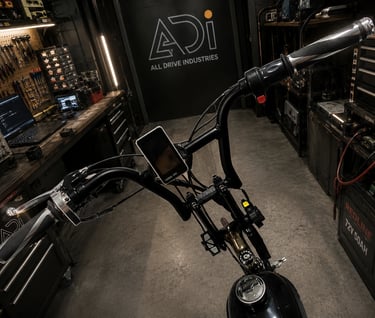
Three propulsion systems. One objective.
Most hybrid systems simply combine two power sources.
The Tribrid Propulsion Study explores something different:
Using each propulsion system only where it performs best.
Human power for efficiency.
Electric power for instant torque and precision.
Combustion power for sustained energy density.
Rather than allowing each system to compete, the objective is to coordinate them through intelligent control.
Performance Without Conflict
Electric motors produce maximum torque from zero RPM.
Two-stroke engines produce their greatest power only after entering the expansion chamber’s operating range.
The Tribrid system uses electric torque to bridge that gap.
Instead of waiting for the engine to reach its powerband, electric assist helps accelerate the drivetrain into its optimal operating range.
The result is smoother acceleration, improved response, and better utilization of both propulsion systems.
Intelligent Energy Recovery
Not every watt has to come from the charger.
Using programmable regenerative braking, kinetic energy normally converted into brake heat can instead be recovered and stored.
During combustion-powered cruising, the system also investigates low-current battery charging strategies to maintain battery capacity without significantly affecting engine performance.
The objective is not perpetual motion.
The objective is reducing wasted energy wherever practical.
One Machine. Multiple Personalities.
Rather than building one compromise, the platform explores multiple operating modes.
Electric Mode
Silent operation optimized for urban environments, trails, and low-speed efficiency.
Performance Hybrid Mode
Electric torque and combustion work together to maximize acceleration and drivability.
Combustion Mode
Traditional gasoline operation while recovering energy whenever operating conditions allow.
Each mode exists because different environments demand different solutions.
Software Defines the Machine
Hardware provides capability.
Software determines behavior.
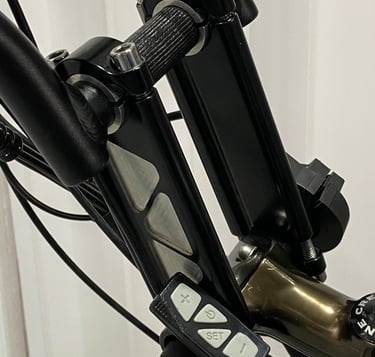
Using programmable motor controllers, the system investigates:
Torque curve shaping
Regenerative braking behavior
Power delivery
Mode transitions
Energy management
The objective is making multiple propulsion systems behave as though they were engineered as one.
Why This Exists
The Tribrid Propulsion Study is not an attempt to prove that gasoline is superior.
Nor that electric propulsion replaces combustion.
It exists to answer a different engineering question:
Can multiple propulsion systems cooperate better than any one system alone?
The innovation is not combining three propulsion systems. The innovation is teaching them to work together.
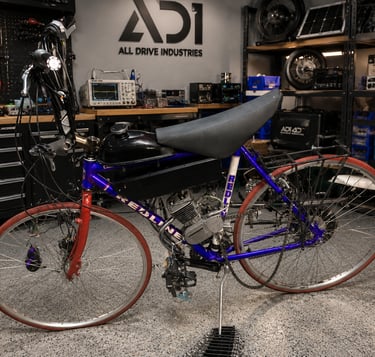
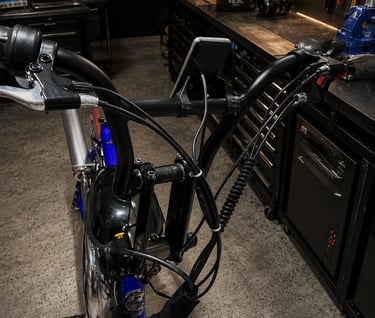
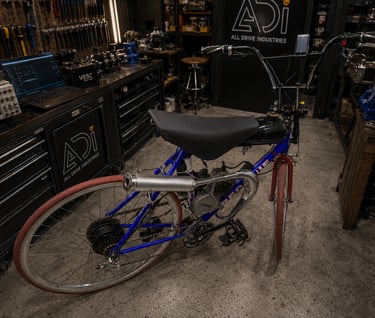
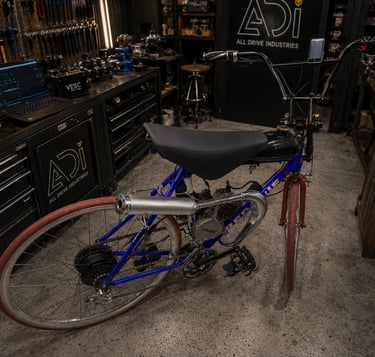
Reality gets the final vote.
INQUIRIES
Engineering@Mobile1.Tech
Diagnostics & Testing Facility
By Appointment Only
© 2026 All Drive Industries-Reality gets the final vote.
Overview-Capabilities-Projects-Contact